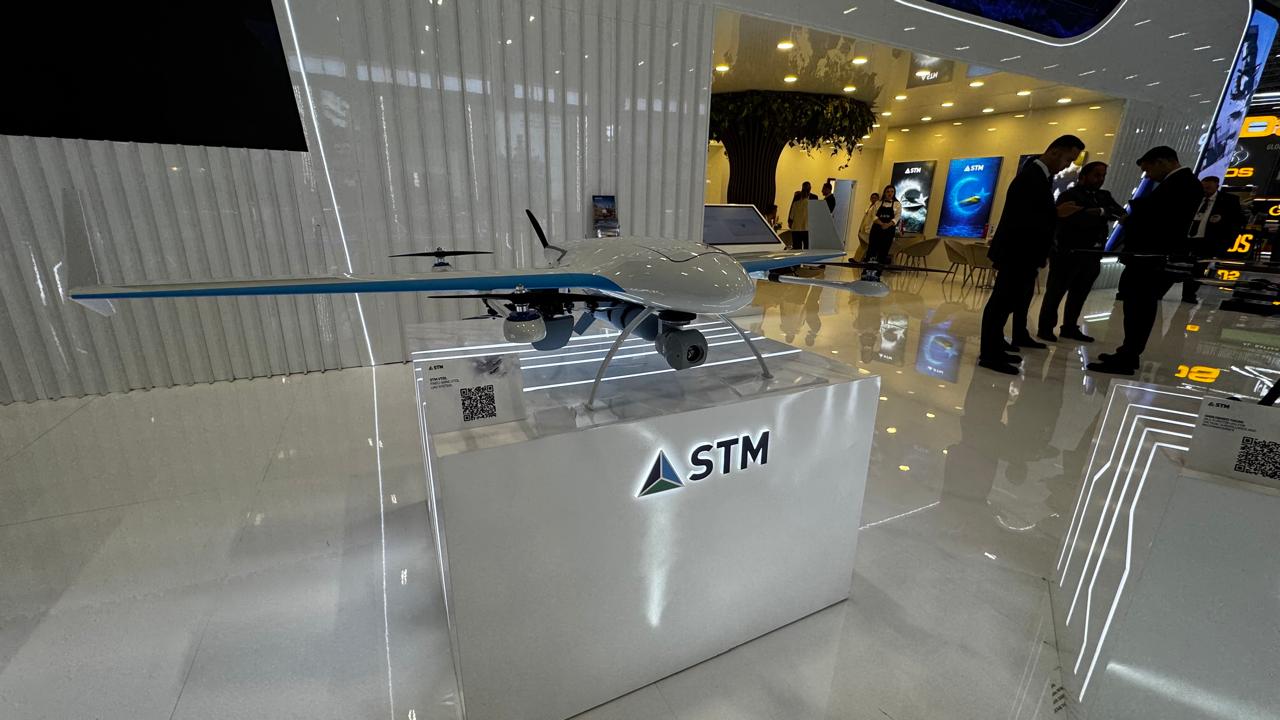
Unmanned systems, radar, and electric vehicles unveiled at first day of IDEF 2025
Host nation Turkey took advantage of the Istanbul exhibition, with defense firms showing off a host of new tech.
Host nation Turkey took advantage of the Istanbul exhibition, with defense firms showing off a host of new tech.
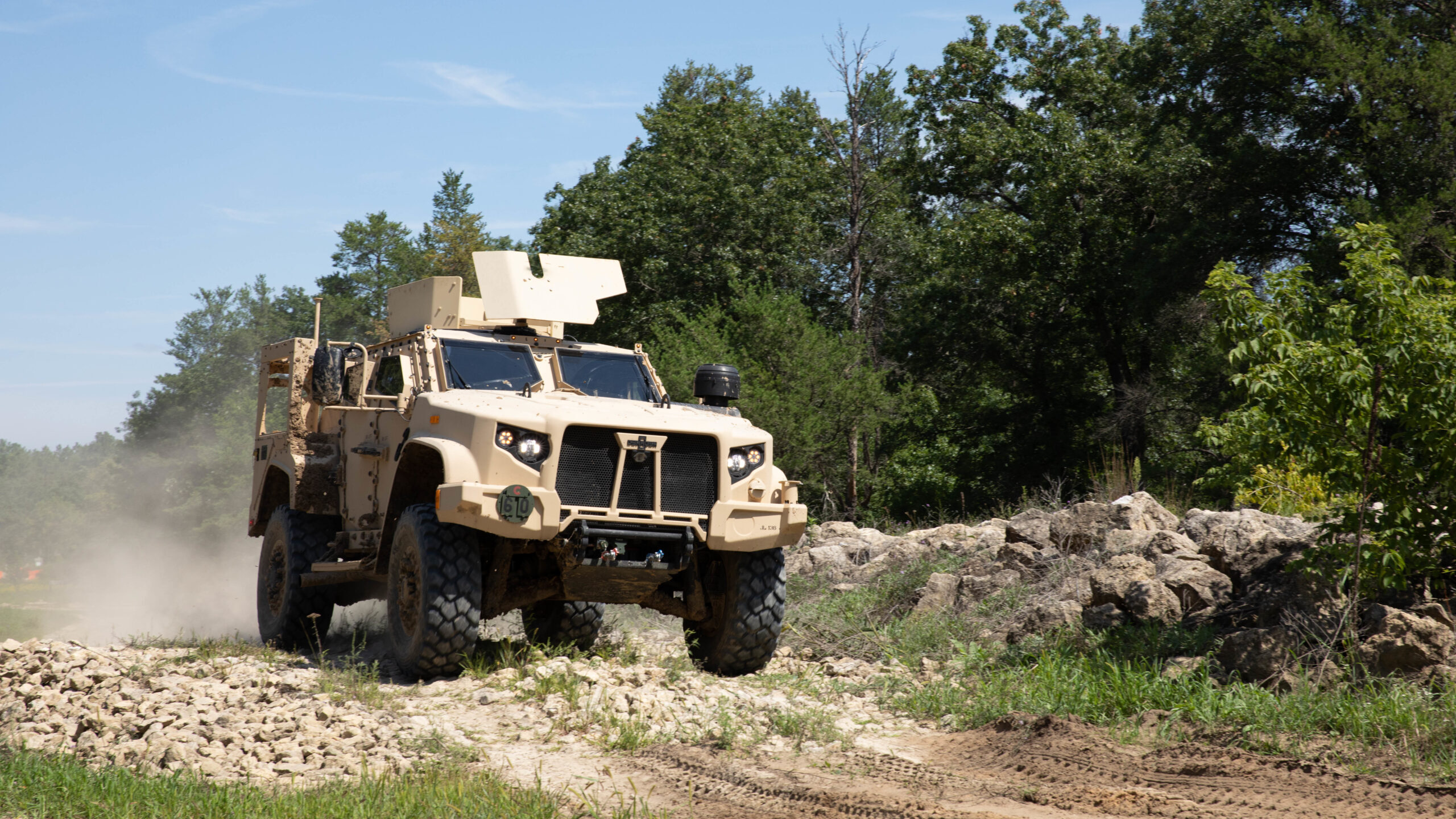
“Some of the implications are that we now have batteries or, hopefully we'll have batteries, that are not reliant on rare earth minerals. We don't have to rely on those coming from adversarial nations such as China," Jen Sovada, president of SandboxAQ’s Global Public Sector division, told Breaking Defense.
Michigan’s defense ecosystem and expertise makes it a special asset for production.

“The involvement of the military massively augments our velocity on the commercial side because the military's expectation of an airplane is fundamentally the same as the FAA’s. They want a safe, reliable, repeatedly produced aircraft,” said BETA founder and CEO Kyle Clark.
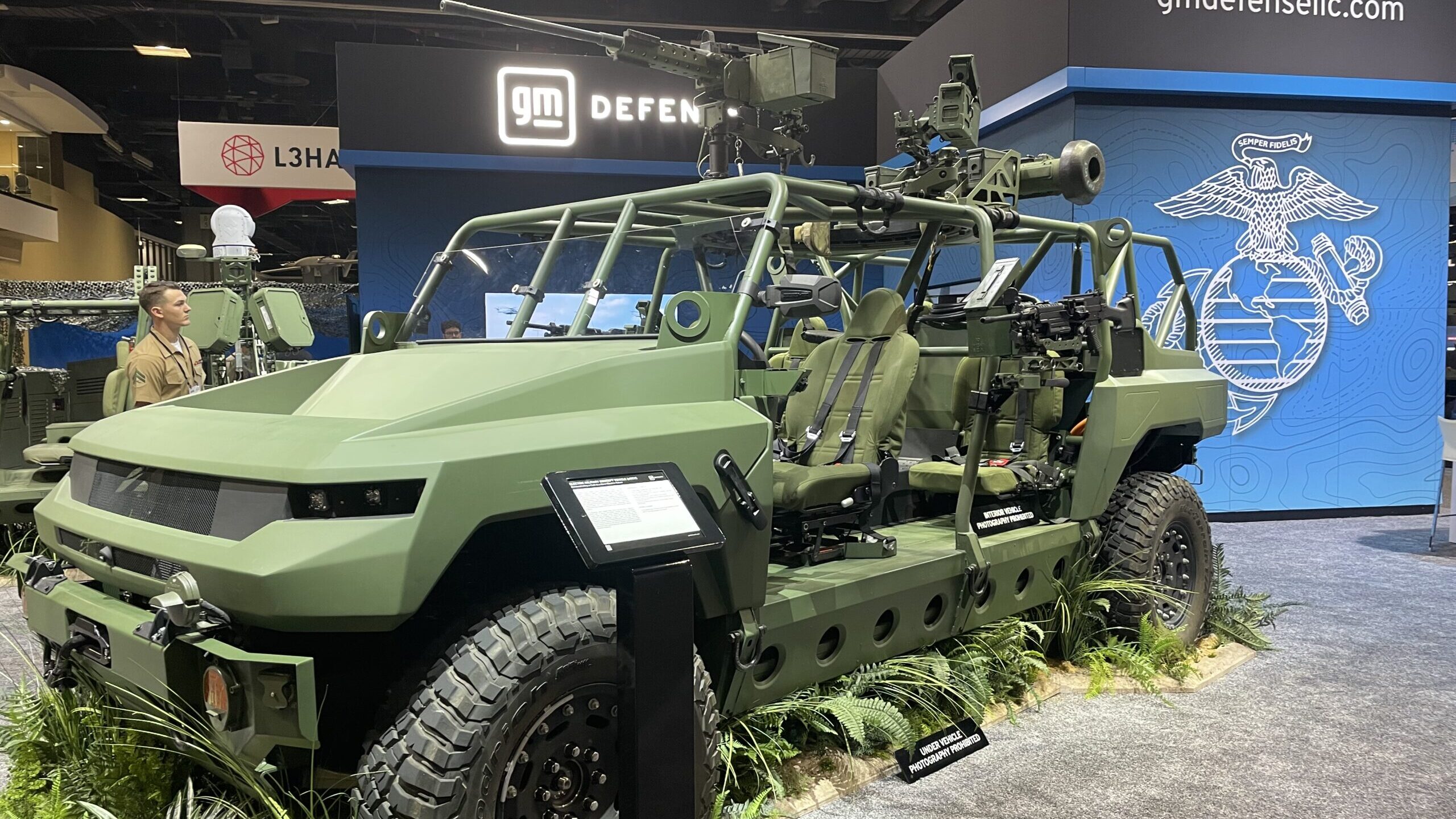
The Electric Military Concept Vehicle offers a peek at the company’s plans to bid on the Army’s Electric Light Reconnaissance Vehicle prototyping competition that kicked off earlier this month.

Both fully electric vehicles and hybrid-electric contenders will be considered for program.

There are ways to leverage proven commercial technology that enables warfighters to more quickly benefit from modern capabilities.


Consolidate network monitoring, performance management, and fault isolation into a single, comprehensive solution.

From "tactical microgrids" to an electrified vehicle fleet, C5ISR is gathering data and working out ways old tech and new can be interoperable.

Experimental Robotic Combat Vehicles and virtual designs for Optionally Manned Fighting Vehicles are exploring bold new possibilities.
After testing hybrid Bradley Fighting Vehicles, the Army will test hybrid Humvees and JLTVs.

Legislation would require the 75% of the department's FY23 non-tactical vehicle purchases to be electric or zero-emissions.


Blending superior optics, advanced stabilization and AI-powered autonomy in a compact and rugged system, ASELFLIR 600 delivers unmatched intelligence, surveillance and reconnaissance (ISR) capabilities.

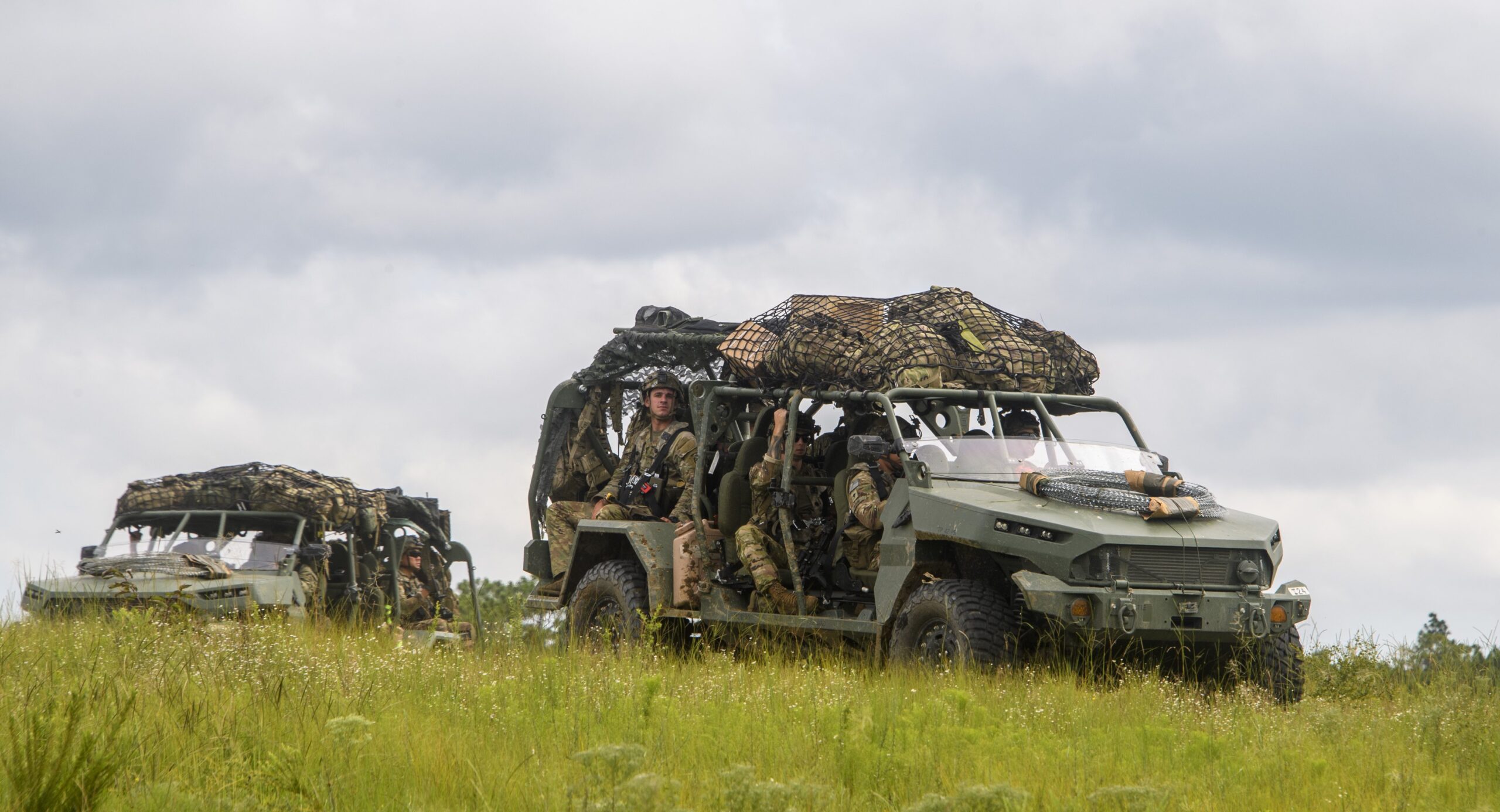
Building on its recent success equipping the first U.S. Army unit with the Infantry Squad Vehicle, GM Defense is expanding into the international market for tactical wheeled vehicles.

The Army’s on-the-horizon electric, tactical wheeled vehicles need to align with the commercial market so that industry can both build and sustain them.

The strategy pushes the service to significantly reduce its greenhouse gas emissions by 2035, and train soldiers to climate-ravaged combat zones.

The Army’s on-the-horizon electric, tactical wheeled vehicles need to align with the commercial market so that industry can both build and sustain them.